 by JP McCormack
Choosing the right new development in Portugal demands careful evaluation of diverse property types, regional markets, and evolving fiscal policies in 2026. This guide clarifies residential, commercial, luxury, and off-market developments to align with your relocation or investment goals. You will learn to assess developments by price, location, tax incentives, and lifestyle suitability, equipping you with a practical framework to make informed decisions.
Table of Contents
- How To Choose The Right New Development In Portugal
- Types Of Residential New Developments
- Types Of Commercial New Developments
- Luxury And Branded Residences
- Regional Market Variations In New Developments
- Tax Incentives And Financing Conditions
- Off-Market And Specialized Investment Opportunities
- Summary Comparison Of New Development Types
- Situational Recommendations For Selecting New Developments
- Discover Your Perfect New Development With Springvale Estates
Key takeaways
| Point | Details |
|---|---|
| Core criteria | Evaluate developments by price, location, tax benefits, readiness, and lifestyle fit to match your goals. |
| Residential types | Apartments, villas, and turnkey homes vary by region and budget, offering diverse entry points. |
| Commercial opportunities | Office, retail, and hospitality developments benefit from GDP growth and stable financing conditions. |
| Luxury segment | Branded residences provide exclusivity, concierge services, and turnkey convenience in prime locations. |
| Regional differences | Pricing, rental yields, and investment potential shift significantly between Lisbon, Porto, Algarve, and secondary cities. |
How to choose the right new development in Portugal
Selecting a new development requires balancing multiple factors to ensure the property fits your financial and lifestyle goals. Start by assessing price and affordability. Portugal’s national residential property prices reached €3,019 per square meter at the end of 2025, projected to grow 2 to 7% in 2026, indicating steady market appreciation. Your total budget must account for purchase price, taxes, and financing costs.
Financing conditions play a major role. Mortgage rates in Portugal have stabilized around 2 to 3.4% as of mid-2025, creating a predictable environment conducive to new development purchases by international buyers. This stability allows you to plan confidently.
Tax incentives significantly reduce ownership costs. VAT reductions and rental income tax cuts create substantial savings for buyers in 2026. Location benefits matter equally. Infrastructure projects like high-speed rail between Lisbon and Porto enhance property values and connectivity.
Development readiness affects your timeline. Turnkey properties offer immediate occupancy, ideal for retirees seeking hassle-free relocation. Under-construction developments may provide lower entry prices but require patience. Review development readiness insights to understand construction timelines and completion guarantees.
Matching the development type to your lifestyle and investment goals is essential. Consider these factors:
- Proximity to amenities, healthcare, and transportation hubs
- Rental yield potential if pursuing buy-to-let strategies
- Energy efficiency ratings impacting long-term operating costs
- Community features like pools, gyms, and green spaces
- Resale liquidity and market demand in your chosen region
Pro Tip: Request detailed completion schedules and developer track records before committing to under-construction projects. Delays can disrupt relocation plans and financing arrangements.
Having established the criteria, next we explore the specific types of residential new developments available.
Types of residential new developments
Portugal offers diverse residential new developments catering to varied budgets and preferences in 2026. Apartments remain the most common option, ranging from compact studios to spacious multi-bedroom units. You will find concentrations in Lisbon and Porto, where urban living appeals to professionals and investors seeking rental income.
Villas and detached houses dominate the Algarve and coastal areas, attracting retirees and families desiring privacy and outdoor space. These properties typically feature private pools, gardens, and sea views. Prices vary widely from €250,000 for modest villas in secondary locations to over €3 million for premium coastal estates.
Turnkey homes represent a growing segment, offering immediate occupancy and often full furnishing packages. These developments suit buyers wanting minimal hassle and fast relocation. Rental potential is strong, particularly in tourist-heavy regions where short-term letting generates significant income.
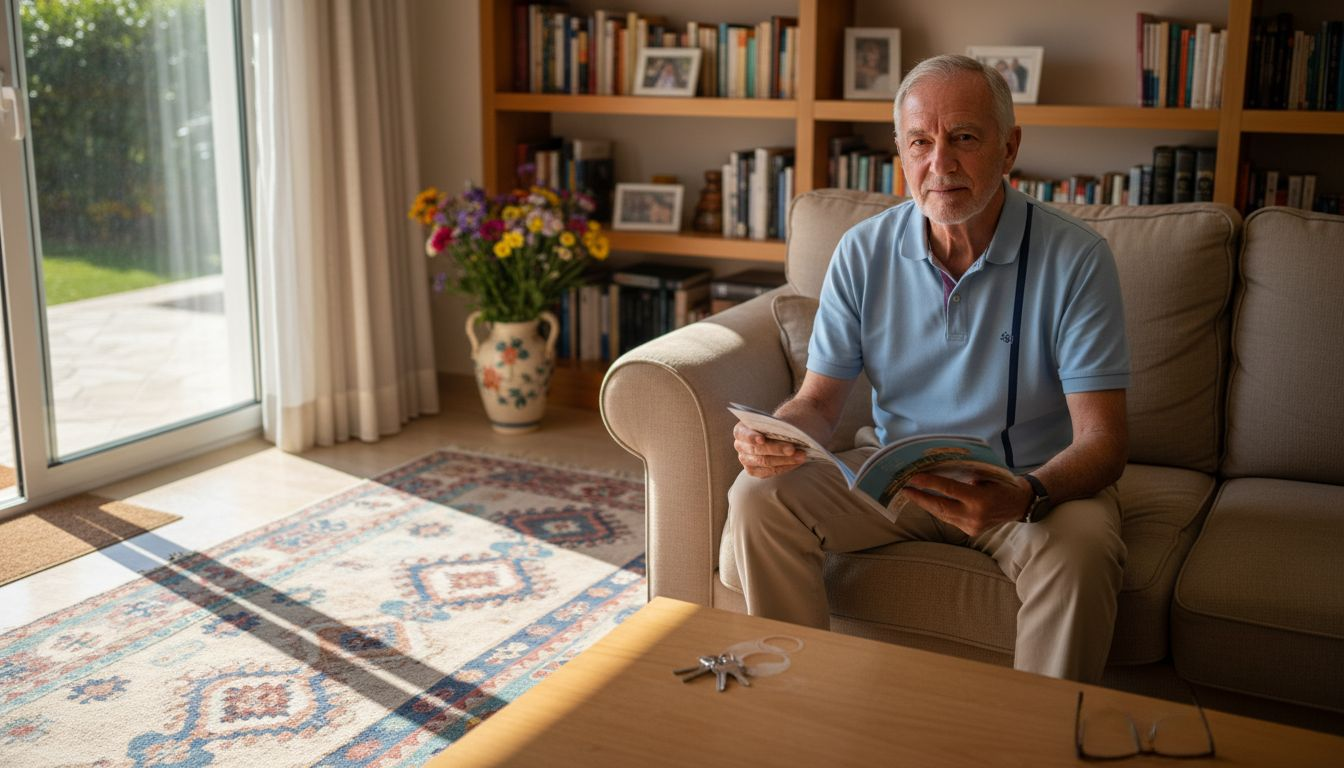
Portugal’s national residential property prices reached €3,019 per square meter at the end of 2025, projected to grow 2 to 7% in 2026. This appreciation supports solid investment returns across residential categories. Energy efficiency regulations affect property values and costs. New builds must meet stringent insulation and renewable energy standards, driving initial prices higher but reducing utility bills over time.
Explore residential development options to compare layouts, amenities, and regional availability. Key residential categories include:
- Urban apartments with modern finishes and shared amenities
- Suburban townhouses balancing affordability and space
- Coastal villas offering lifestyle and vacation rental income
- Inland rural properties for buyers seeking tranquility and land
Pro Tip: Prioritize developments with A or B energy ratings to minimize heating and cooling costs. These certifications also enhance resale appeal as sustainability becomes a buyer priority.
With residential options understood, let’s examine commercial new developments and their market potential.
Types of commercial new developments
Commercial new developments in Portugal are expanding rapidly, driven by economic growth and international investment interest. Office spaces and retail units concentrate mainly in Lisbon and Porto urban centers, where demand from startups, tech companies, and multinational firms remains robust. Mixed-use developments combining retail, office, and residential elements are increasingly popular.
Hospitality developments capitalize on Portugal’s booming tourism sector. Hotels, apart-hotels, and serviced residences offer attractive returns for investors comfortable with operational complexity. These properties benefit from professional management companies handling guest services and maintenance.
Emerging data centers and infrastructure projects represent cutting-edge opportunities. Portugal’s strategic location, renewable energy capacity, and fiber-optic connectivity make it an attractive hub for technology infrastructure. Projected GDP growth of 2.2% in Portugal supports commercial real estate developments in 2026, creating a favorable investment climate.
The financing environment is stable, attracting institutional investors seeking predictable returns. Commercial mortgages typically require larger down payments than residential loans, but rental yields often exceed residential equivalents. Understanding commercial market nuances is vital for investment decisions. Factors include:
- Tenant quality and lease duration affecting income stability
- Location accessibility for employees and customers
- Compliance with zoning and commercial licensing requirements
- Property management costs and operational complexities
Review commercial development insights to assess opportunities across office, retail, hospitality, and infrastructure categories. Commercial investments demand thorough due diligence, but the potential for higher returns and portfolio diversification makes them compelling for experienced investors.
Beyond commercial, discover the premium segment: luxury and branded residences.
Luxury and branded residences
Luxury and branded residences represent Portugal’s premium real estate segment, offering exclusivity and turnkey convenience. Prime locations include Lisbon’s historic districts, Porto’s riverside neighborhoods, and Algarve’s coastal zones like Quinta do Lago and Vale do Lobo. These developments attract international buyers seeking prestige and hassle-free living.
Amenities distinguish luxury properties from standard developments. Expect concierge services, full property management, private pools, spas, and fitness centers. Many branded residences partner with global hospitality groups, providing hotel-like services and rental management programs when owners are absent.
Higher pricing reflects exclusivity and lifestyle convenience. Luxury apartments in central Lisbon start around €1 million, while Algarve branded villas often exceed €2 million. Despite premium prices, luxury home sales in Portugal grew 14.5% in 2024, fueled by demand for exclusivity and turnkey living. This trend continues into 2026 as affluent retirees and professionals prioritize quality and convenience.
Turnkey lifestyle appeals particularly to international retirees and professionals relocating to Portugal. You avoid renovation stress, benefit from proven rental income models, and gain access to exclusive communities. Strong sales growth indicates increasing market demand. Factors driving luxury segment expansion include:
- Non-habitual resident tax regime attracting wealthy expatriates
- Golden Visa program channeling foreign capital into premium properties
- Portugal’s safety, climate, and quality of life reputation
- Growing affluence among European and Middle Eastern buyers
Explore luxury market trends to understand pricing dynamics, popular developments, and financing options tailored to high-net-worth individuals.
Having covered property types, let’s compare regional market variations affecting your choice.
Regional market variations in new developments
Regional differences significantly impact pricing, rental yields, and development availability across Portugal in 2026. Lisbon and Porto have the highest prices and strongest investor concentration. Central Lisbon averages €4,500 to €6,000 per square meter, while Porto ranges from €3,500 to €5,000 per square meter. These cities offer robust rental demand but lower yields due to elevated purchase prices.
Secondary cities like Braga and Setúbal offer rental yields of 5 to 7%, often outperforming pricier urban centers where yields hover around 3 to 4%. Braga benefits from university demand and growing tech sector employment. Setúbal attracts families seeking affordability near Lisbon without city-center costs.
Suburbs provide affordability and capture diverse buyer pools. Cascais and Estoril near Lisbon blend coastal lifestyle with urban proximity, appealing to retirees and professionals. Matosinhos near Porto offers beach access and emerging dining scenes.
Infrastructure projects enhance value. Portugal’s 2025-funded high-speed rail between Lisbon and Porto is expected to boost property values and new developments along the corridor over the next decade. Stations in intermediate cities like Santarém and Coimbra will spur residential and commercial growth.
Coastal developments attract vacation rental demand, particularly in Algarve. Lagos, Albufeira, and Tavira see strong short-term rental income during peak tourist months. Year-round occupancy remains challenging, requiring careful cash flow planning.
| Region | Avg Price per sqm | Rental Yield | Key Appeal |
|---|---|---|---|
| Lisbon | €4,500 to €6,000 | 3 to 4% | Urban amenities, employment |
| Porto | €3,500 to €5,000 | 3.5 to 4.5% | Culture, emerging tech sector |
| Algarve | €2,800 to €4,500 | 4 to 6% | Coastal lifestyle, tourism |
| Braga | €1,800 to €2,500 | 5 to 7% | Affordability, university demand |
| Setúbal | €2,000 to €3,000 | 5 to 6.5% | Proximity to Lisbon, lower costs |
Compare regional property market information and regional market insights to identify locations matching your budget, lifestyle preferences, and investment objectives.
Next, understand how 2026’s tax incentives and financing conditions influence your purchase calculations.
Tax incentives and financing conditions
Fiscal changes in 2026 significantly impact new development buyers, offering substantial cost savings and improved rental profitability. VAT for qualifying new builds up to €648,000 dropped from 23% to 6%, reducing upfront purchase costs by tens of thousands of euros. This incentive applies to primary residences and certain affordable housing projects.
Rental income tax was reduced from 25% to 10% for moderate rents in 2026, supporting buy-to-let investors. This cut boosts net rental income substantially, improving investment returns and cash flow. Properties rented at affordable rates qualify automatically.
Stable mortgage rates improve financing predictability. Rates around 2 to 3.4% allow buyers to secure fixed or variable loans with manageable monthly payments. International buyers typically access financing up to 70 to 80% loan-to-value, depending on creditworthiness and deposit size.
Transfer taxes on high-value non-resident purchases have increased, particularly for properties exceeding €1 million. Buyers pay higher stamp duty rates, designed to moderate speculative investment and prioritize affordable housing. Fiscal policies favor long-term investors over short-term flips. Key incentives and considerations include:
- VAT reduction to 6% on qualifying new builds under €648,000
- Rental income tax cut to 10% for moderate rents, boosting net yields
- Property transfer tax (IMT) exemptions for first-time buyers under certain thresholds
- Increased stamp duty for luxury and non-resident purchases
- Stable mortgage environment with rates around 2 to 3.4%
Review tax incentives and financing conditions to maximize savings and structure your purchase optimally. Consult a local tax advisor to ensure compliance and leverage all available benefits.
Finally, explore specialized and off-market investment opportunities for portfolio diversification.
Off-market and specialized investment opportunities
Off-market and specialized new developments offer unique opportunities for high-net-worth investors seeking differentiated assets and enhanced privacy. Off-market new development opportunities include hotels, energy projects, sports investments, and data centers for high-net-worth clients seeking differentiated assets. These properties rarely appear on public listings, accessible only through specialized advisory networks.
Hotel and hotel plot developments leverage Portugal’s tourism growth. Investors acquire operational hotels or undeveloped plots zoned for hospitality, benefiting from professional management and proven income models. Returns often exceed traditional residential investments, though operational complexity and capital requirements are higher.
Energy and data center projects represent emerging infrastructure classes. Portugal’s renewable energy capacity and strategic location make it attractive for solar farms, wind projects, and digital infrastructure. These investments offer long-term, stable income streams backed by corporate or government contracts.
Sports investments provide unique asset diversification. Opportunities range from sports complexes and academies to partnerships in football clubs and related ventures. These assets combine passion with financial returns, appealing to investors with specific interests.
Typically accessible through private acquisitions and specialized advisory, off-market deals require thorough due diligence and market expertise. Benefits include:
- Exclusive access to premium assets before public market exposure
- Negotiation flexibility and customized deal structures
- Enhanced privacy and reduced competitive bidding pressure
- Portfolio diversification beyond traditional real estate classes
- Access to institutional-grade investments normally reserved for large funds
Connect with off-market investment assistance to explore hotels, energy projects, data centers, and sports investments tailored to your portfolio strategy and risk tolerance.
To wrap up, a summary table compares all new development types based on key criteria.
Summary comparison of new development types
Comparing development types side-by-side clarifies which options align with your investment goals, budget, and lifestyle preferences. The table below summarizes key attributes across residential, commercial, luxury, and off-market categories.
| Development Type | Price Range | Rental Yield | Best Locations | Time to Occupancy | Target Buyer Profile |
|---|---|---|---|---|---|
| Residential Apartments | €250,000 to €800,000 | 3 to 5% | Lisbon, Porto, Braga | 6 to 18 months | Professionals, investors |
| Residential Villas | €400,000 to €3 million | 4 to 6% | Algarve, coastal zones | 12 to 24 months | Retirees, families |
| Turnkey Homes | €300,000 to €1.5 million | 4 to 5.5% | Urban suburbs, Algarve | Immediate | Retirees, expatriates |
| Commercial Office | €500,000 to €5 million | 5 to 7% | Lisbon, Porto | 12 to 24 months | Institutional investors |
| Commercial Retail | €300,000 to €2 million | 5 to 6.5% | Urban centers | 12 to 18 months | Retail investors |
| Hospitality | €1 million to €10 million | 6 to 9% | Algarve, Lisbon, Porto | 18 to 36 months | Experienced investors |
| Luxury Branded | €1 million to €5 million | 3 to 4% | Prime urban, coastal | 12 to 24 months | High-net-worth individuals |
| Off-Market Specialized | €2 million to €50 million | Varies | Strategic locations | Varies | High-net-worth, institutional |
Financing conditions remain favorable across categories, with VAT reductions and rental income tax cuts enhancing affordability and profitability. Tax benefits apply primarily to residential and affordable commercial developments. Market risk varies by type. Residential properties offer higher liquidity and stable demand. Commercial and specialized investments provide higher returns but require longer holding periods and operational expertise.
With this clear comparison, we offer tailored situational recommendations to guide your final selection.
Situational recommendations for selecting new developments
Matching your profile to the right development type and location maximizes satisfaction and financial returns. Use these practical recommendations based on common buyer situations in 2026.
-
Retirees seeking lifestyle and ease should prioritize turnkey coastal villas in Algarve. Properties in Lagos, Tavira, or Carvoeiro offer immediate occupancy, low maintenance, and proximity to golf, beaches, and expatriate communities. Budget €500,000 to €1.2 million for quality options.
-
Professionals relocating for work benefit from mixed-use developments in Lisbon and Porto combining residential and commercial elements. Central apartments near metro stations provide urban convenience and rental flexibility if work plans change. Expect to pay €350,000 to €700,000 for modern units.
-
Investors targeting rental income should focus on secondary cities like Braga, Setúbal, or Coimbra for higher rental yields of 5 to 7%. University towns and emerging employment hubs offer stable tenant pools and appreciation potential. Entry prices start around €200,000 for apartments.
-
Luxury buyers desiring exclusivity and services should explore branded residences in prime urban and coastal areas. Lisbon’s Avenida da Liberdade or Algarve’s Quinta do Lago provide concierge, property management, and community prestige. Budget €1 million minimum for entry-level units.
-
Diversified portfolio builders with substantial capital can pursue off-market hotels, energy, and data projects through specialized advisors. These assets offer differentiation, long-term income stability, and institutional-grade quality. Minimum investments typically start at €2 million.
-
First-time international buyers benefit from consulting local agencies experienced with expatriate needs, tax optimization, and financing for non-residents. Professional guidance reduces risk and accelerates your relocation or investment timeline.
After recommendations, we smoothly transition to how Springvale Estates can help you access these opportunities.
Discover your perfect new development with Springvale Estates
Your search for the ideal new development in Portugal starts with expert guidance and curated listings. Springvale Estates offers a comprehensive selection of residential, commercial, luxury, and off-market developments tailored to American and British expatriates in 2026. Our team navigates you through property selection, financing, and due diligence processes with clarity and efficiency.
Explore turnkey and under-construction properties matching your relocation or investment plans. Whether you seek a coastal retirement villa, a Lisbon apartment with rental potential, or a specialized hotel investment, our new development listings showcase opportunities across all regions and price ranges.
Access specialized investment opportunities through our private office, offering exclusive off-market deals in hotels, energy projects, data centers, and sports investments. Partner with expert real estate agencies who understand international buyer needs, tax strategies, and financing structures. Benefit from personalized advisory designed to simplify your Portugal property journey and maximize your investment success in 2026.
FAQ
How do tax incentives affect the cost of new developments in Portugal?
Tax incentives like VAT reduction to 6% on qualifying new builds and lower rental income tax reduce overall purchase and holding costs significantly. Responsibly leveraging these cuts can save thousands of euros annually. Buyers ignoring these benefits lose competitive advantage and pay unnecessarily higher expenses.
What regions offer the best rental yields on new developments?
Secondary cities such as Braga and Setúbal currently offer rental yields between 5 to 7%, often outperforming pricier urban centers like Lisbon and Porto where yields are lower due to higher prices. University towns and emerging employment hubs provide stable tenant demand with lower acquisition costs.
Are turnkey homes a good option for retirees?
Turnkey homes provide immediate occupancy without renovation hassle, ideal for retirees seeking comfort, low maintenance, and quick relocation. These properties often include furnishings and professional management options. Coastal and suburban locations offer lifestyle appeal and rental income potential when owners travel.
What distinguishes luxury branded residences from standard new developments?
Luxury branded residences offer exclusive amenities, concierge services, prime locations, and turnkey convenience, appealing to international buyers looking for prestige and hassle-free living. Partnership with global hospitality brands ensures hotel-quality service and rental management programs. Prices reflect premium positioning and community exclusivity.
How can high-net-worth investors access off-market developments?
High-net-worth investors usually access off-market hotels, energy projects, and data centers through private offices or specialized advisory firms offering due diligence and exclusive listings. These networks provide confidential deal flow unavailable on public platforms. Connect with specialized advisory for off-market investments to explore institutional-grade opportunities tailored to sophisticated portfolios.